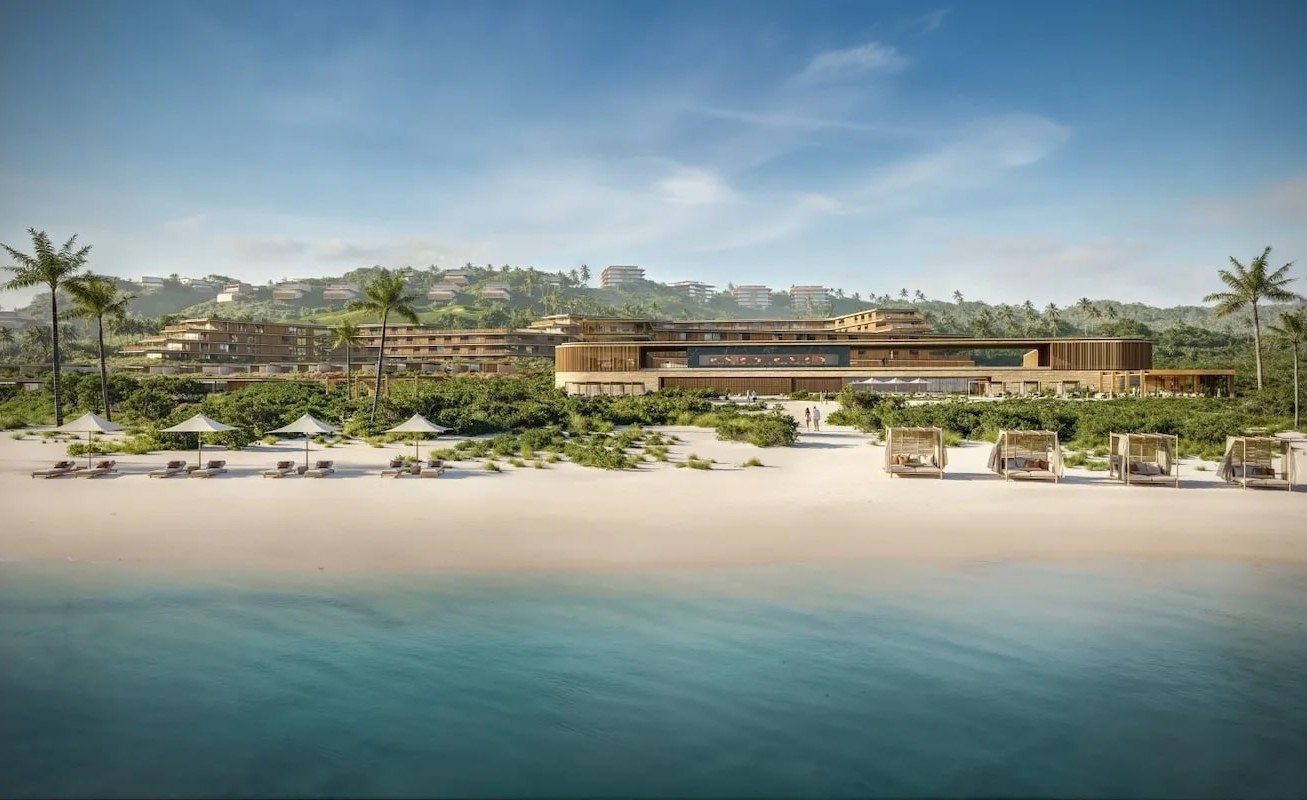
The West Coast Renaissance Taking Shape Around Boquerón Bay
Boquerón Beach has long been one of Puerto Rico’s most beloved local beach destinations. Families come for the calm Caribbean water, seafood restaurants fill the waterfront village on weekends, and visitors stay through the evening to watch the sun disappear beyond Boquerón Bay. For decades, the area’s appeal has rested on its authenticity: a traditional fishing community, a walkable coastal village, protected natural landscapes, and a slower pace than Puerto Rico’s better-known resort corridors.
Today, however, Boquerón Bay is entering a new chapter. Major hospitality investment, growing international attention, expanding vacation-rental demand, and renewed interest in Puerto Rico’s southwest coast are beginning to reshape how travelers and investors view Cabo Rojo. The region is increasingly being discussed as the center of a broader west coast renaissance—one that could elevate Boquerón from a primarily local weekend destination into an internationally recognized Caribbean travel market.
This transformation is still unfolding. It brings significant economic possibilities, but it also raises important questions about conservation, infrastructure, public beach access, housing affordability, and the preservation of the community character that made Boquerón special in the first place.
Boquerón’s Longstanding Appeal
Boquerón did not suddenly become desirable because luxury developers discovered it. The area has attracted Puerto Rican families, fishermen, boaters, nature lovers, and independent travelers for generations. The protected bay creates calm swimming conditions, while El Poblado de Boquerón offers restaurants, bars, oyster stands, shops, and a relaxed waterfront atmosphere within walking distance of the beach.
Unlike destination resorts where visitors remain inside a private property, Boquerón has traditionally encouraged people to move between the beach, village, bay, restaurants, and surrounding attractions. That sense of connection is one of the destination’s strongest assets.
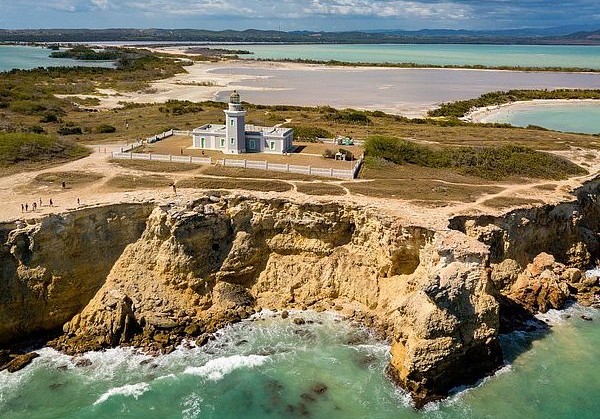
The region also provides easy access to some of Puerto Rico’s most distinctive natural attractions, including Playa Sucia, the Cabo Rojo National Wildlife Refuge, Los Morrillos Lighthouse, salt flats, mangrove habitats, and additional beaches such as Buyé Beach and Combate Beach.
Esencia and the Arrival of Global Luxury Hospitality
The most visible symbol of the current transformation is Esencia, a large residential and hospitality community planned along the coastline near Boquerón Bay. Publicly announced as a multibillion-dollar development, the project is expected to include luxury hotels, branded residences, private homes, recreational amenities, and extensive hospitality infrastructure across a large coastal property.
The project has attracted internationally recognized hotel brands, most notably Mandarin Oriental, which has announced plans for a resort and branded residences expected to open in 2028. Rosewood has also been identified among the hospitality partners connected to the broader development.
The arrival of brands at this level represents a major shift for southwest Puerto Rico. Historically, the island’s highest-profile luxury hospitality investment has concentrated around San Juan, Dorado, Río Grande, and selected resort areas on the eastern and northern coasts. A globally recognized luxury resort in Boquerón Bay signals that major investors now see Cabo Rojo as capable of competing for affluent travelers, second-home buyers, destination weddings, wellness tourism, and high-end Caribbean experiences.
Why Boquerón Bay Is Attracting Investment
Several factors explain why interest is growing. Boquerón combines warm Caribbean water, west-facing sunsets, protected coastal scenery, and significantly less urban development than San Juan. The area also offers access to nature reserves, sailing, fishing, snorkeling, kayaking, beaches, and authentic local dining.
For travelers who increasingly prefer destinations that feel distinctive rather than interchangeable, Boquerón has a powerful identity. It is not simply another tropical beach. Its waterfront village, oyster traditions, fishing culture, festivals, mangroves, dry forests, and nearby salt flats create a sense of place that cannot easily be recreated elsewhere.
The southwest also offers something increasingly valuable in Caribbean tourism: room to build a multi-day itinerary. Visitors can spend one day at Boquerón Beach, another exploring Playa Sucia and the lighthouse, another boating near La Parguera, and additional days visiting Buyé, Combate, Guánica, San Germán, or mountain destinations inland.
A Potential Economic Catalyst for Cabo Rojo
Large-scale hospitality development can create demand across a wide range of local industries. Hotels require construction workers, transportation providers, food suppliers, landscapers, tour operators, maintenance companies, event planners, photographers, chefs, guides, and professional services.
Local businesses in Boquerón may benefit from greater year-round visitation rather than depending so heavily on weekends, holidays, and summer travel. Restaurants could serve a larger customer base, charter operators may receive more bookings, vacation rentals could experience stronger occupancy, and new travelers may discover businesses throughout Cabo Rojo rather than remaining in one resort.
There may also be opportunities for locally owned businesses to develop higher-value experiences, including private boat tours, guided wildlife excursions, culinary tours, sunset cruises, fishing charters, wellness programs, transportation services, and destination celebrations.
The greatest economic benefit will occur if increased tourism spending circulates through the existing community instead of remaining almost entirely within private developments.
Boquerón Beach as the Public Face of the Renaissance
Even with new luxury resorts nearby, Boquerón Beach is likely to remain the area’s most recognizable public destination. Its appeal is broad: families can swim in calm water, couples can watch the sunset, visitors can walk into the village for food, and travelers do not need to be guests of an expensive hotel to enjoy the bay.
This gives Boquerón an important role in the region’s future. It can function as the accessible public gateway to a destination increasingly associated with luxury hospitality. Protecting that accessibility will be essential to maintaining the area’s identity.
Investment in parking, roads, sanitation, beach maintenance, public restrooms, accessibility, signage, lifeguard coverage, and pedestrian connections could allow the public beach and village to benefit from the region’s growth rather than being overwhelmed by it.
Rising Visibility for Southwest Puerto Rico
International hotel announcements often generate media attention years before a property opens. As Boquerón Bay appears in luxury travel publications, real estate coverage, hospitality news, and investment discussions, awareness of the entire southwest region is likely to increase.
Travelers searching for the new resorts may also discover Boquerón Beach, Playa Sucia, Buyé Beach, the wildlife refuge, Cabo Rojo’s salt flats, and the surrounding villages. This creates an opportunity for local destinations to build stronger digital visibility before the next wave of travelers arrives.
Independent websites, tourism guides, local businesses, and destination platforms that provide accurate information now may become valuable discovery resources as search interest grows. Travelers will need information about beaches, restaurants, accommodations, transportation, tours, parking, safety, and itineraries throughout Cabo Rojo.
The Importance of Preserving Local Character
The same qualities attracting investment could be damaged if growth is poorly managed. Boquerón’s value does not come only from its coastline. It also comes from the village atmosphere, public waterfront, fishing culture, locally owned businesses, informal food traditions, community celebrations, and connection between residents and the bay.
A renaissance that replaces those elements with exclusive developments would weaken the destination rather than strengthen it. The most successful outcome would allow luxury hospitality to coexist with public beaches, local commerce, fishing traditions, and authentic Puerto Rican culture.
Visitors may stay at an international resort, but many will still want to eat local seafood, explore El Poblado, visit the salt flats, book independent excursions, and experience the southwest beyond hotel walls. Preserving that ecosystem of local experiences is both culturally important and economically smart.
Environmental Concerns Around Boquerón Bay
Boquerón Bay is surrounded by sensitive coastal environments, including mangroves, wetlands, dry forest, wildlife habitat, seagrass areas, and marine ecosystems. These environments support fisheries, coastal resilience, water quality, birds, and marine species while protecting the shoreline from erosion and storm impacts.
Residents, environmental organizations, fishermen, and academics have raised concerns about the potential effects of extensive construction near these habitats. Issues discussed publicly include water demand, runoff, erosion, light pollution, habitat disruption, coastal access, traffic, and pressure on existing infrastructure.
These concerns are especially significant because southwest Puerto Rico has a comparatively dry climate and already faces infrastructure limitations. Responsible development will require more than attractive landscaping and sustainability language. It will require transparent environmental review, enforceable protections, careful water management, public accountability, and long-term monitoring.
Public Beach Access Must Remain Central
Puerto Rico’s beaches are public resources, and continued access to the coastline is one of the most important issues surrounding coastal development. As land values rise and private communities expand, residents often worry that traditional access routes may become difficult to use even when the shoreline technically remains public.
The future of Boquerón Bay should include clearly marked public access, adequate parking, safe roads, accessible pathways, and protection of routes historically used by residents, fishermen, and visitors.
Improved access could be one positive result of investment, but those improvements must remain genuinely public and practical. A beach is not meaningfully accessible if visitors cannot reach it, park nearby, launch a small boat, or move through the surrounding area without unnecessary barriers.
Infrastructure Will Determine Whether Growth Works
Boquerón’s roads, water systems, power network, waste management, and public services were not originally designed for a massive increase in luxury residences, hotel rooms, construction activity, and visitor traffic. The success of the region’s transformation will therefore depend heavily on infrastructure investment.
Road improvements, resilient utilities, wastewater treatment, emergency services, telecommunications, and environmental management must expand alongside private development. Otherwise, local residents may experience higher costs and heavier congestion without receiving equivalent improvements in daily life.
A true regional renaissance should strengthen infrastructure for the entire community rather than creating separate systems that primarily serve private properties.
Opportunities for Local Entrepreneurs
The coming years may provide an important window for local entrepreneurs. Businesses that establish strong reputations before new resorts open could be positioned to serve both existing visitors and the higher-spending travelers expected in the future.
- Marine experiences: Sailing, fishing, kayaking, snorkeling, and private sunset charters
- Food and culture: Culinary tours, seafood experiences, cooking classes, and locally made products
- Transportation: Airport transfers, private drivers, shuttle services, and guided road trips
- Wellness: Yoga, massage, nature retreats, and outdoor fitness experiences
- Celebrations: Weddings, proposals, photography, private dinners, and event planning
- Nature tourism: Birdwatching, salt-flat tours, mangrove education, and wildlife excursions
Partnerships between hotels and locally owned companies could help ensure tourism growth supports a broad section of Cabo Rojo’s economy.
What the Renaissance Could Mean for Travelers
For visitors, the transformation could produce more lodging choices, improved services, higher-quality dining, expanded transportation, and greater access to curated experiences. Travelers who previously overlooked southwest Puerto Rico may begin considering Boquerón as the primary destination for an entire vacation rather than a single-day stop.
At the same time, visitors should continue supporting local businesses and respecting the natural environment. Spending money in the village, hiring local guides, choosing responsible tours, avoiding sensitive habitats, and properly disposing of waste can help preserve the qualities that make the region worth visiting.
The Future of Boquerón Bay
The west coast renaissance around Boquerón Bay is not simply a story about new hotels. It represents a larger shift in how Puerto Rico’s southwest is being valued. The region is moving from a destination known primarily to locals and independent travelers toward one receiving attention from global hospitality brands, investors, luxury buyers, and international media.
That transition could bring meaningful economic opportunity, stronger tourism infrastructure, and broader recognition for Cabo Rojo. It could also create environmental pressure, displacement concerns, and conflict over the future of the coastline.
The outcome will depend on whether development respects the bay’s ecosystems, protects public access, includes local businesses, improves community infrastructure, and preserves Boquerón’s cultural identity.
Final Thoughts
Boquerón Bay stands at the center of one of the most consequential tourism transformations currently unfolding in Puerto Rico. New luxury hospitality investment may introduce the southwest coast to a global audience, but the true value of the region remains rooted in what was already there: calm Caribbean water, sunsets, mangroves, wildlife, fishermen, local restaurants, public beaches, and the welcoming character of El Poblado.
The best version of this west coast renaissance will not replace the traditional Boquerón experience. It will protect, strengthen, and share it with a wider audience.
Visitors can begin exploring the region through the Boquerón Beach Travel Guide, discover nearby lodging on the Where to Stay page, and find additional destinations throughout the Puerto Rico Beach Network.

.jpg)